WHY GOOD HARVEST CONTENT ENDS UP IN A FOLDER
Quality is rarely the issue. The issue is timing and capacity.
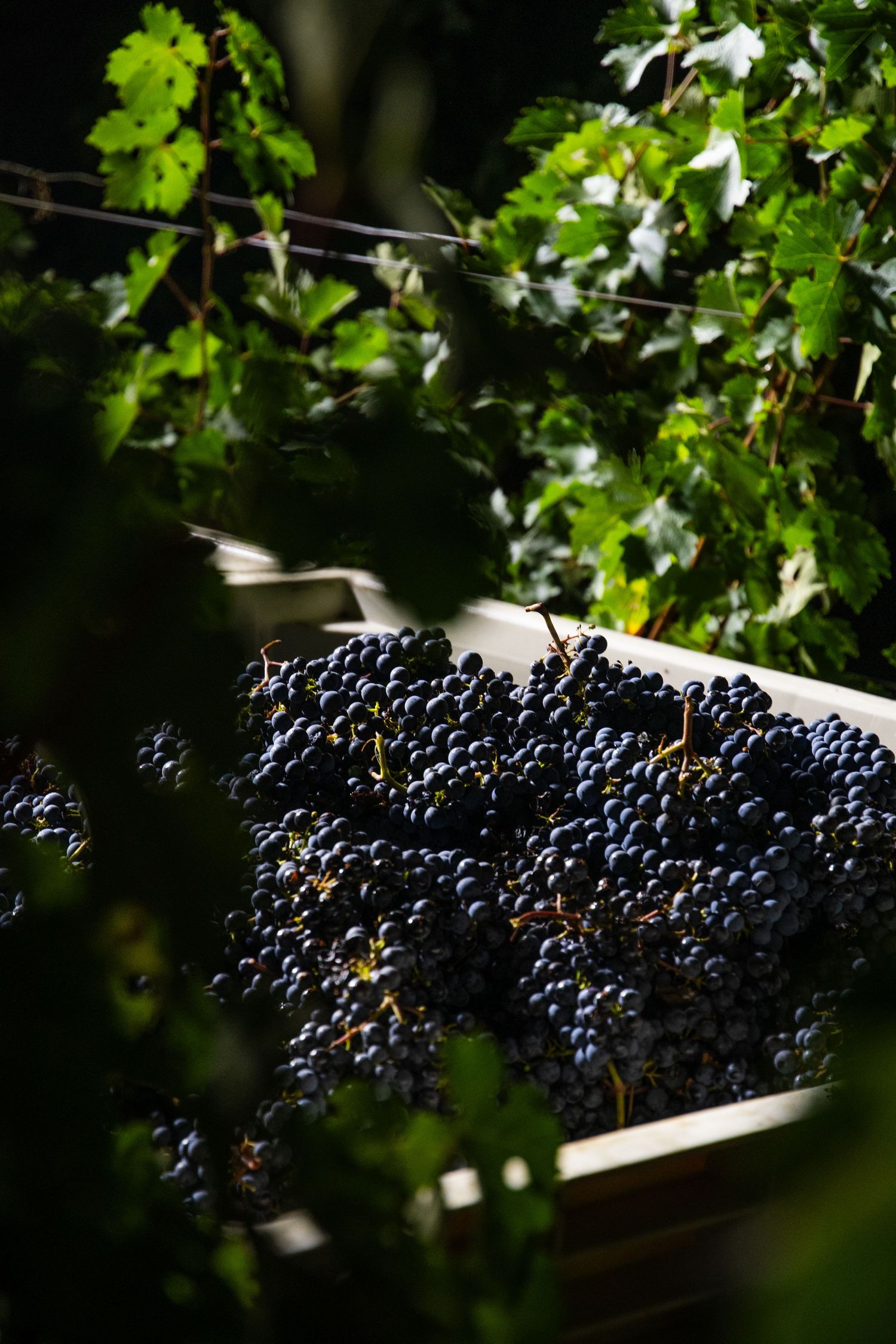
During harvest, content gets posted in real time, and real-time posting favors the quick and obvious: the first-pick photo, the sunrise over the rows, a few seconds of the crush pad. Anything that needs editing, context, or a second look gets set aside for later, and later has to compete with everything else on a small marketing team’s plate.
There’s also a labeling problem. Once something is filed as a “harvest post,” it starts to feel dated by November. But a clip of your winemaker explaining a picking decision isn’t really about October. It’s about the wine, which in most cases hasn’t even been released yet.
This is usually where our work with a winery begins. Before ME Creative recommends anything new, we review what already exists: photo libraries, raw video, interview footage, past campaign assets. That review shapes the winery content strategy that follows, because it shows which stories are already on hand and which gaps actually call for a new shoot.
REPURPOSING IS NOT THE SAME AS REPOSTING
Reposting means putting the same photo up again with a throwback caption. It has its place, but it isn’t a plan.
Content repurposing means finding a new angle, audience, format, or purpose for material you already own. The footage stays the same. What changes is the story it tells and where that story shows up.
GIVING HARVEST CONTENT A LONGER LIFE
Connect it to the release
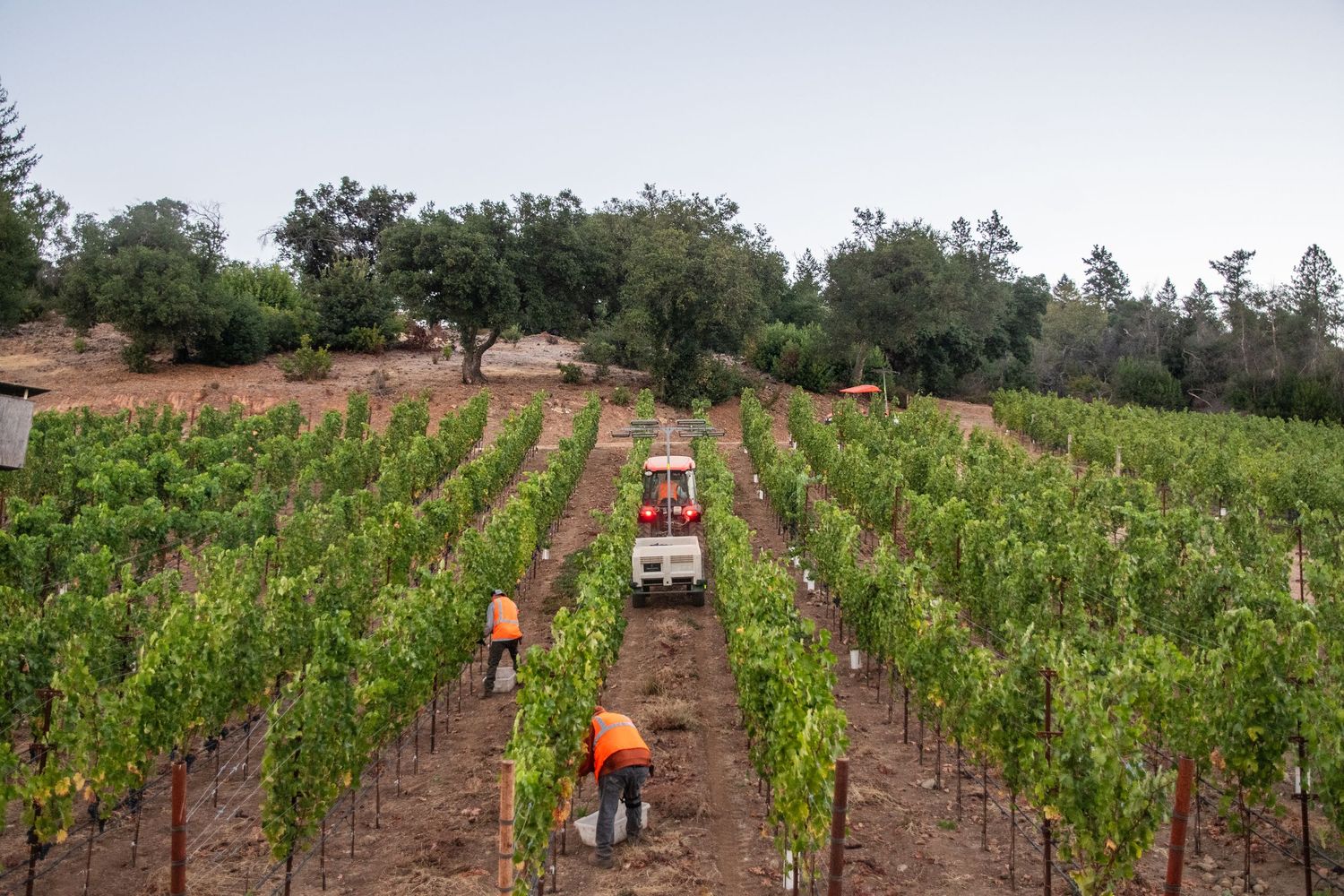
The most natural second life for harvest content arrives with the wine itself. By release, the photos of that fruit coming in have something they lacked at the time: a finished bottle to point to. Vintage storytelling built around the moments that shaped a season gives customers a reason to care that goes beyond tasting notes. It also gives your team release content no other winery could publish.
Let the winemaker teach
Interview clips and vineyard walk-throughs are some of the hardest-working assets in any library. A winemaker talking through grape selection, vineyard conditions, or fermentation can become educational posts that fit any month of the year.
One caution: use only what was actually said and what your team can verify. When we build educational content, we confirm the details with the winemaking team before anything is published. A wrong claim about a vineyard or a vintage undercuts the trust the post was meant to build.
Cut long footage into short-form video
A single harvest recap video often contains several moments that stand on their own. Edited into Reels for Instagram and Facebook, each with a clear opening line and on-screen text, they can carry winery social media marketing through the quieter stretches of winter and early spring.
Put it to work on your website and in email
Harvest photography is often the most authentic imagery a winery owns, and it belongs in more places than a social feed. It can strengthen blog articles, landing pages, and the pages that tell your story. In newsletters, a behind-the-scenes moment or a short vintage story gives subscribers a reason to open an email that isn’t an offer.
Build the evergreen story
Some of the best harvest content has little to do with harvest. It’s about the people who come back to work crush every year, the place itself, the traditions your team keeps, and the care that goes into the work. That material supports year-round winery marketing because it explains who you are, and that doesn’t change with the calendar.
ONE HARVEST MOMENT, SEVERAL PIECES OF CONTENT
Say you have a ninety-second clip of your winemaker standing in a vineyard block, explaining what makes that site different from the rest of the property.
Trimmed to the strongest twenty or thirty seconds, it becomes a Reel. A still from the same morning, paired with a caption that explains the block in plain language, becomes an educational post. When the wine from that block is released, the clip and a pulled quote anchor a section of a vintage-focused blog article, written so people searching for that wine or vineyard can find it. The same story then opens the release email to your list.
That’s four pieces of content with four different jobs, all from footage that took a couple of minutes to capture. None of them repeats another. Each is shaped for its platform, written in the same brand voice, and scheduled where it supports something the winery is already doing.
wHERE A MARKETING PARTNER FITS
Most winery teams already see the potential here. What they lack is the hours.
That’s the gap ME Creative fills. We handle the editing, captions, and blog writing, and we keep the voice and visual identity consistent so a Reel, a newsletter, and a web page all feel like the same winery. We factor in SEO and social search where they matter, since people look for wineries and wines on social platforms as well as on Google. And we treat social media content planning as a full-year exercise, building calendars where older assets have a purposeful place alongside new photography, video, and campaigns.
The practical result is a more sustainable workflow. Your team stops having to start from scratch every month, and the creative work you’ve already paid for keeps earning its place.
BUILD A CONTENT LIBRARY THAT KEEPS WORKING
- Organize by more than date. Tag assets by vintage, vineyard block, wine, and the people featured, so the right clip can be found a year later.
- Keep the raw files. The edited recap is one version. The uncut footage is where future content comes from.
- Write down the context. Note who is speaking and what they’re describing while everyone still remembers.
- Capture with reuse in mind. Next harvest, shoot both vertical and horizontal, and ask your winemaker the same few questions each year.
Not every asset needs a second life. Plenty of harvest photos did their job the day they were posted. The goal is to find the pieces with a real story behind them and adapt those with care.
THINK PAST THE HARVEST CALENDAR
Good wine marketing rarely suffers from a shortage of stories. More often, the stories are sitting unused on a hard drive.
If you have a few seasons of harvest content and aren’t sure what’s in there or what to do with it, we’d be glad to take a look. Get in touch with ME Creative to talk through your content library, your social media strategy, or your plans for the year ahead.
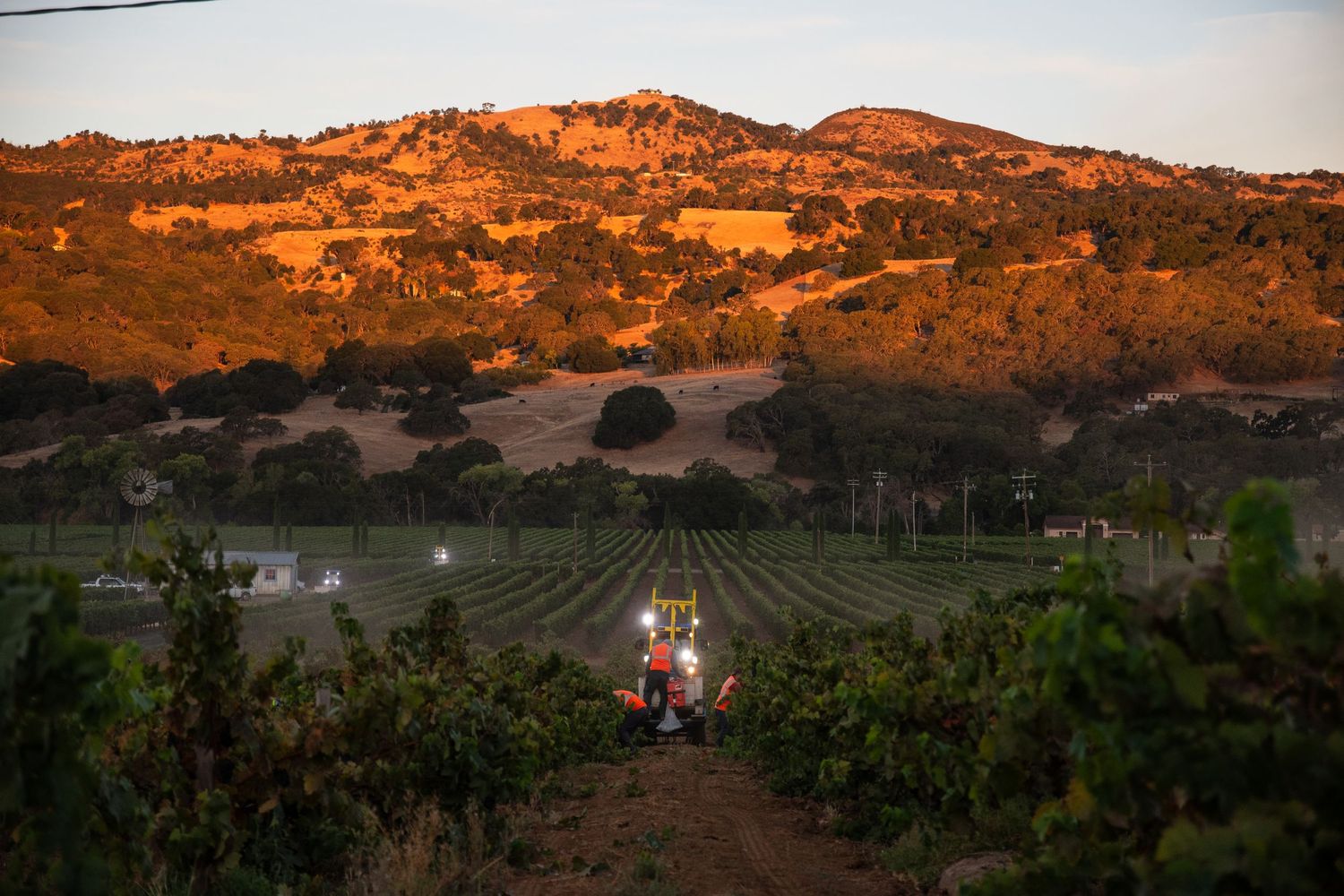
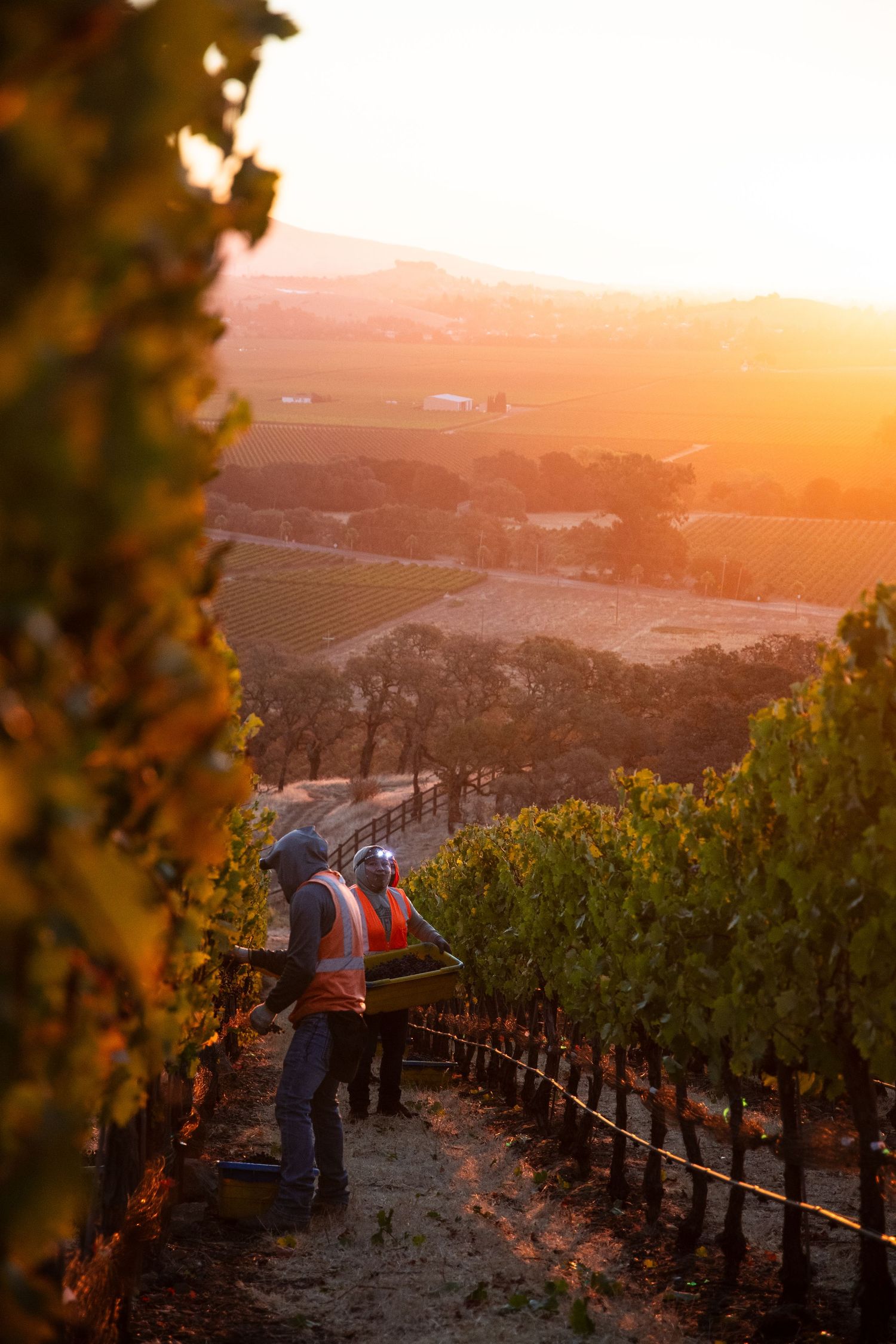
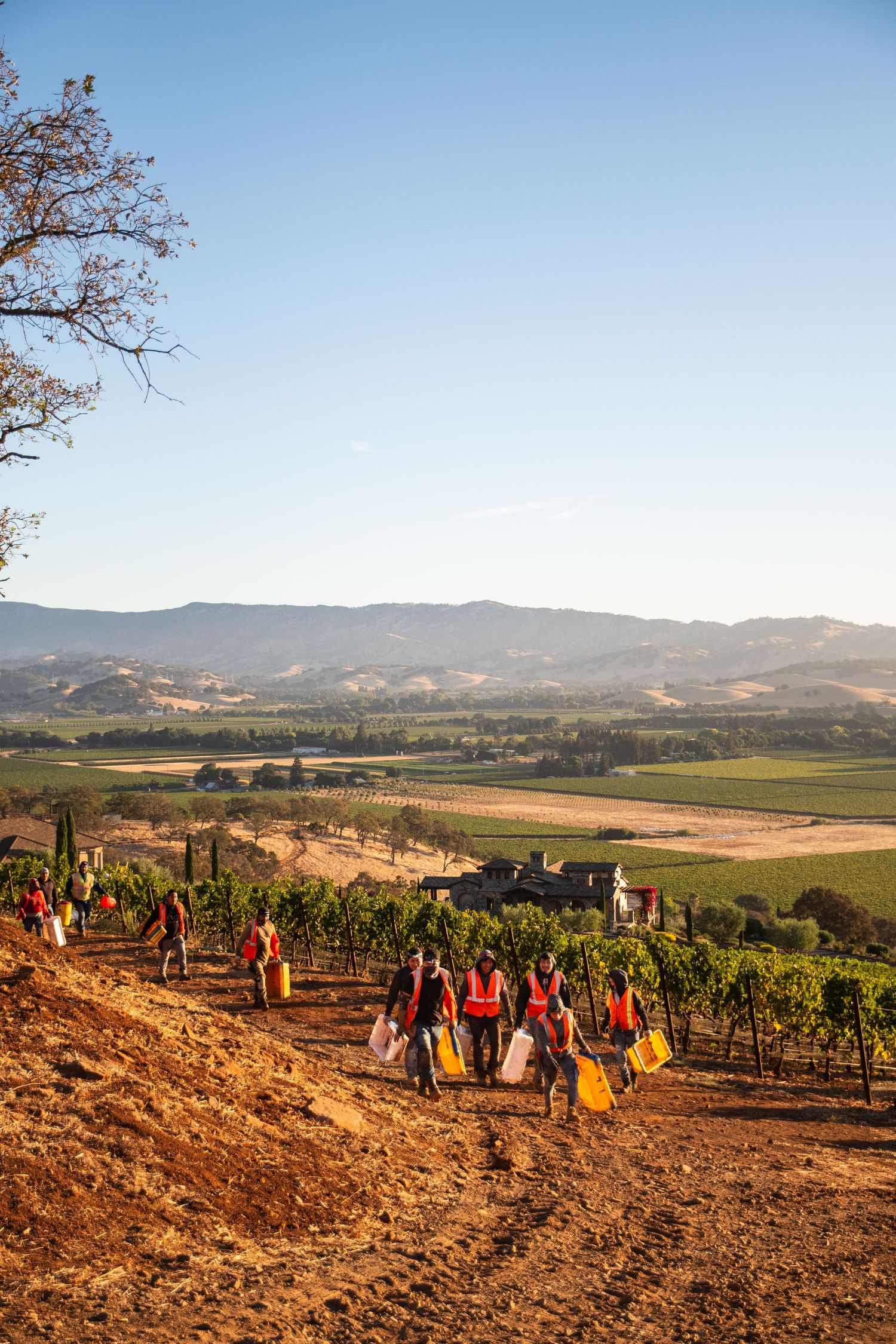
For a few weeks every fall, a winery generates more content than at any other point in the year. Someone is in the vineyard well before sunrise with a camera. Bins are coming in, hands are moving across the sorting table, and the winemaker is tasting fruit off the vine and explaining why one block gets picked today while another waits until Thursday. Phones are out constantly. A photographer or videographer may be on site for a few days or even more.
Then, the last lot is pressed, everyone finally sleeps, and attention swings to holiday shipping, club releases, and the tasting room. A handful of highlights went up on Instagram while it was all happening. Everything else lands in a shared drive folder labeled with the year, and that’s usually where it stays.
Harvest is seasonal. The stories captured during harvest are not. That footage documents how a specific wine came to exist, and it stays relevant for as long as that wine is on your list.