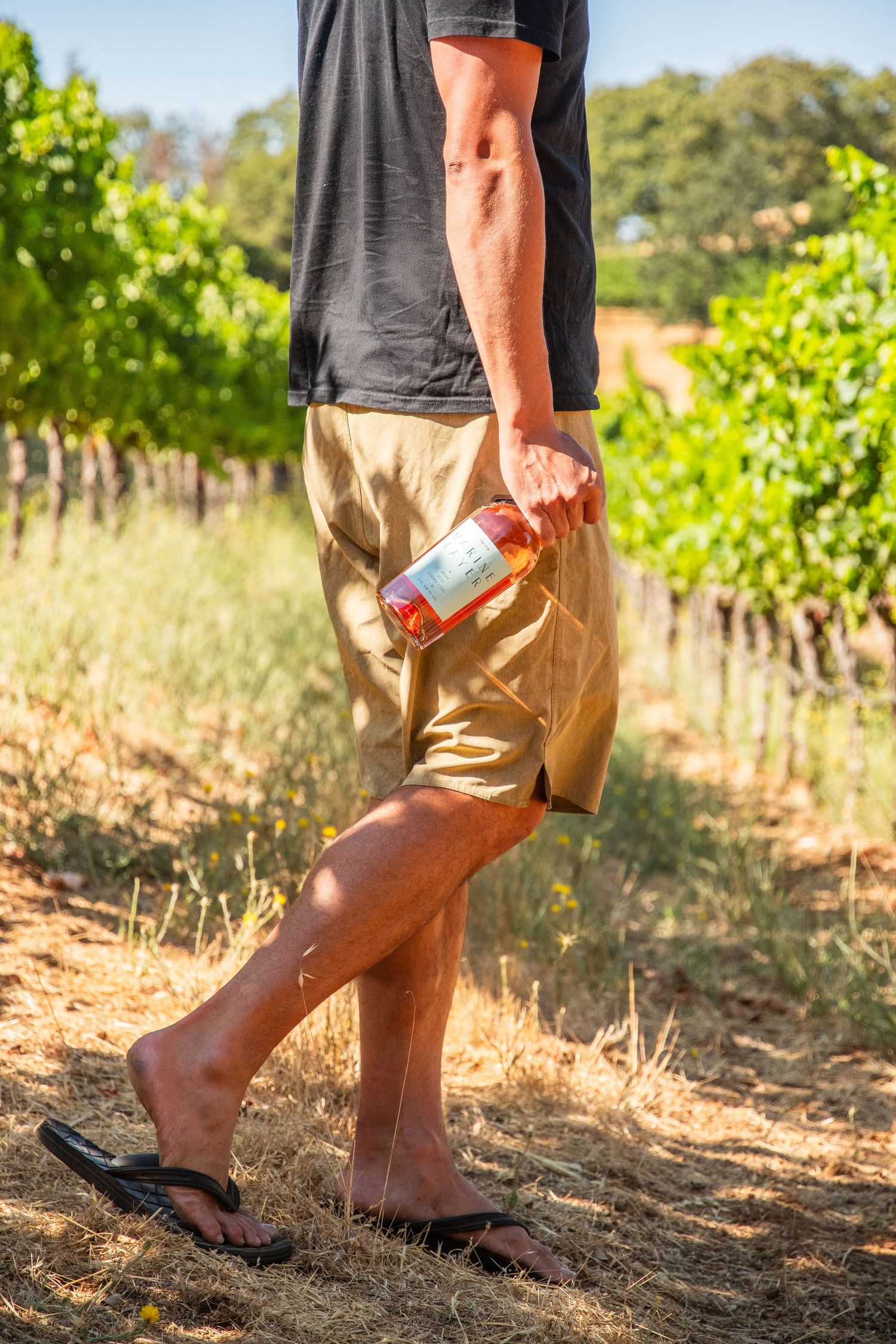
Every summer, winery social feeds start to look exactly the same.
A chilled bottle of rosé next to a pool.
A glass perched on a patio table.
A caption about sunshine, weekends, and rosé season.
And while there's nothing inherently wrong with that content, there's a growing problem: consumers have seen it all before.
The "poolside rosé" formula became popular because it worked. It positioned rosé as approachable, fun, and tied to an aspirational lifestyle. But as more wineries adopted the same visual language, it stopped feeling distinctive. What once stood out now blends into an endless stream of nearly identical wine marketing content.
For wineries looking to grow engagement, increase direct-to-consumer sales, and strengthen brand recognition, simply posting another pretty rosé photo is no longer enough.
The wineries seeing the strongest results today are approaching rosé marketing differently.
Why Traditional Rosé Marketing Is Losing Effectiveness
Why Traditional Rosé Marketing Is Losing Effectiveness
The wine industry has spent years teaching consumers to associate rosé with a very specific set of experiences:
- Summer afternoons
- Pool parties
- Beach vacations
- Brunch gatherings
- Warm weather celebrations
The challenge is that nearly every winery is telling the same story.
When consumers scroll through Instagram, Facebook, or TikTok, they don't see dozens of unique brands. They see dozens of versions of the same content.
From a winery marketing strategy standpoint, that's a serious issue.
If your rosé marketing looks identical to your competitors', consumers have little reason to remember your brand specifically.
Brand differentiation has become one of the most important factors in wine social media marketing, especially as organic reach continues to decline and competition for attention increases.
The wine industry has spent years teaching consumers to associate rosé with a very specific set of experiences:
- Summer afternoons
- Pool parties
- Beach vacations
- Brunch gatherings
- Warm weather celebrations
The challenge is that nearly every winery is telling the same story.
When consumers scroll through Instagram, Facebook, or TikTok, they don't see dozens of unique brands. They see dozens of versions of the same content.
From a winery marketing strategy standpoint, that's a serious issue.
If your rosé marketing looks identical to your competitors', consumers have little reason to remember your brand specifically.
Brand differentiation has become one of the most important factors in wine social media marketing, especially as organic reach continues to decline and competition for attention increases.

Consumers Don't Buy Rosé Because It's Pink
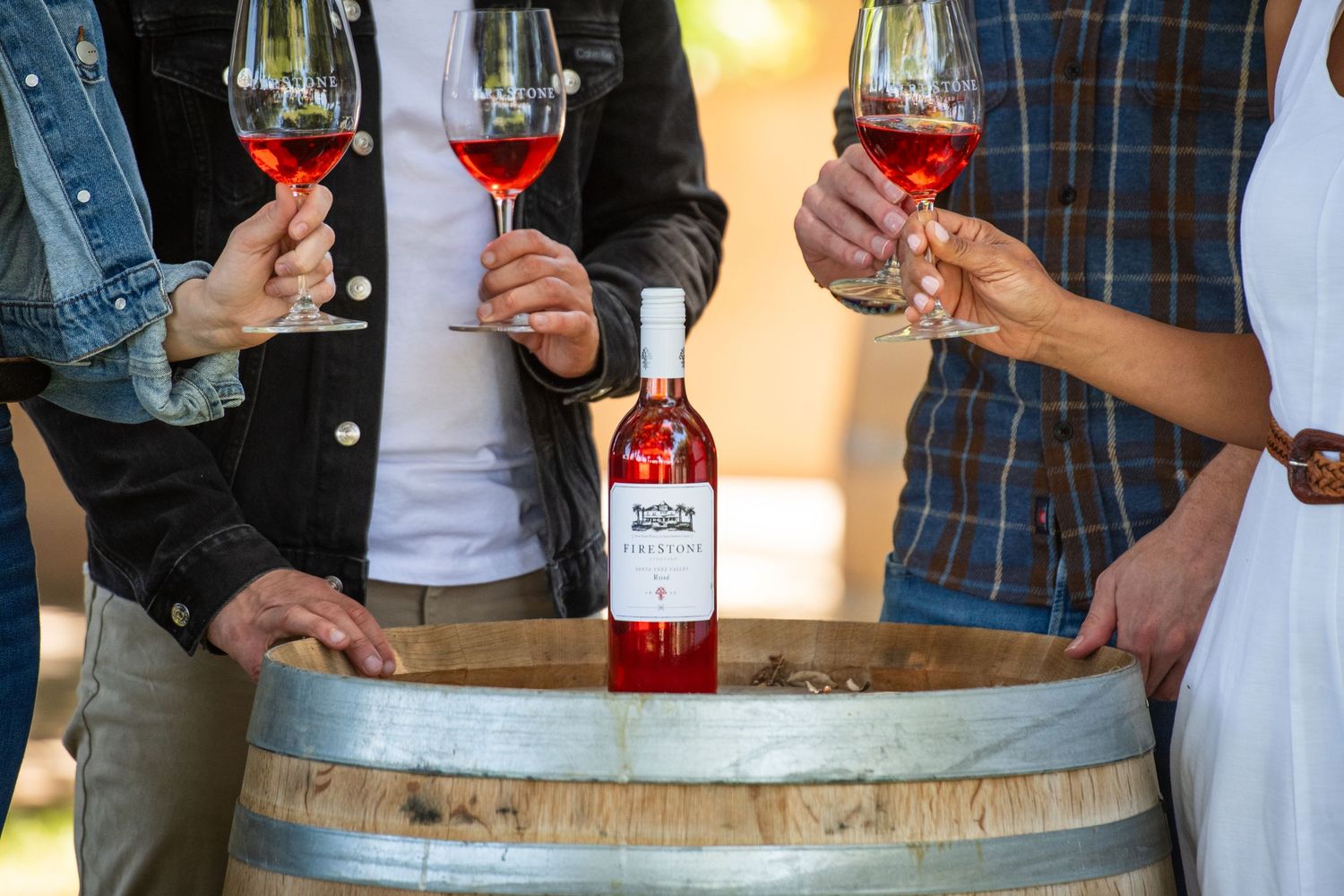
One of the biggest misconceptions in wine marketing is that consumers purchase rosé because of the season.
In reality, people buy wine because of the role it plays in their lives.
The most successful winery content marketing doesn't focus solely on the bottle. It focuses on the experience surrounding it.
Instead of asking:
"How do we promote our rosé this summer?"
Ask:
"What role does this wine play for our customers?"
That answer is often far more interesting.
Maybe it's the wine guests order first in the tasting room.
Maybe it's become a staple at local restaurants.
Maybe it's the bottle families bring to gatherings year after year.
Maybe your winemaker created it to showcase a particular vineyard block.
These stories create emotional connection. And emotional connection is what drives engagement, loyalty, and repeat purchases.
The Best Rosé Content Starts in the Vineyard
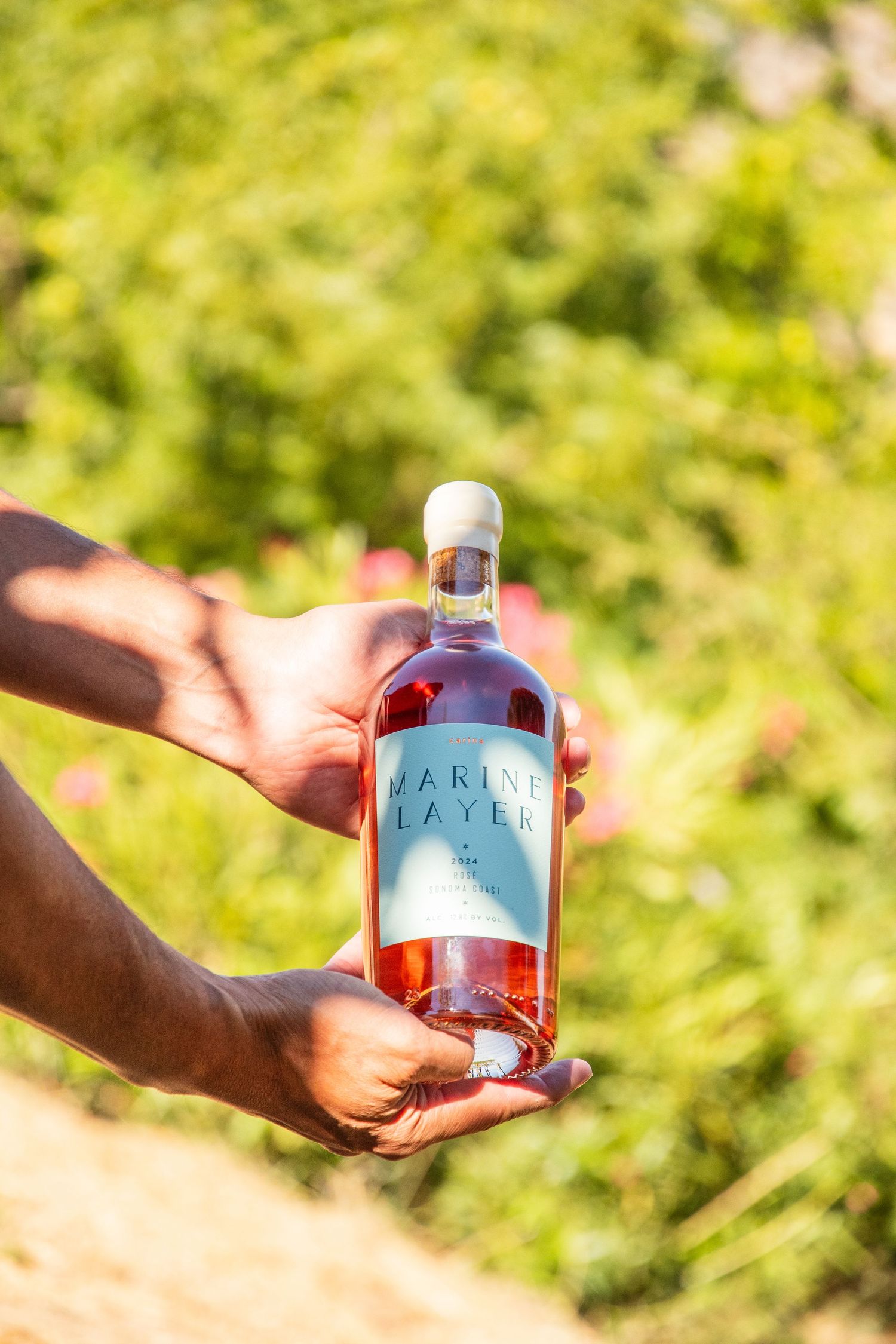
Many wineries overlook some of their most valuable marketing assets because they're focused on creating lifestyle content.
Yet some of the strongest-performing wine content often comes directly from the source.
Consumers are increasingly interested in:
- Vineyard practices
- Harvest updates
- Winemaking decisions
- Sustainability efforts
- Family history
- Behind-the-scenes operations
These topics give consumers something they can't get from every other winery in their feed.
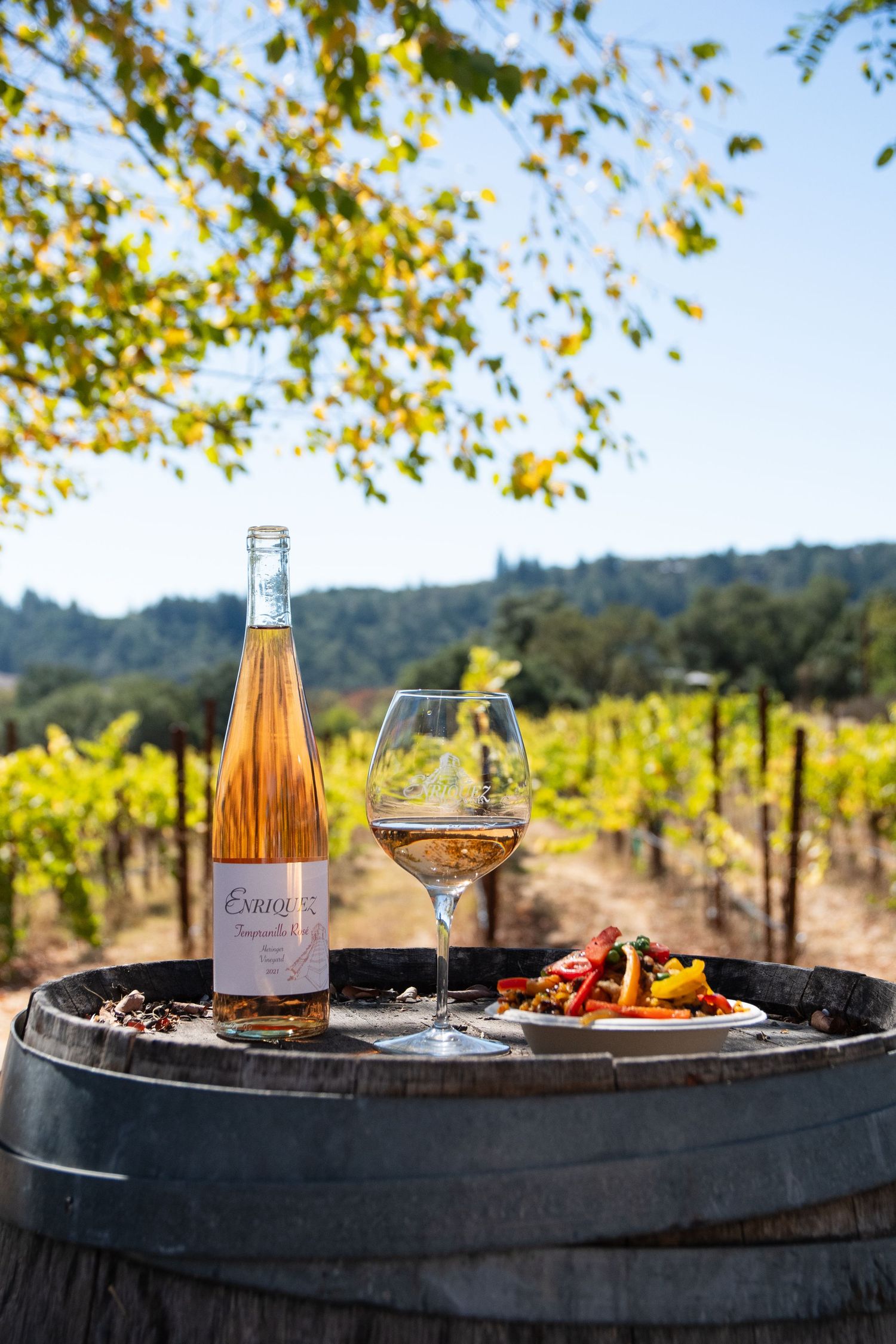
Anyone can stage a bottle next to a swimming pool.
Only your winery can tell the story of how that wine was grown, crafted, and brought to market.
Lifestyle Content Still Matters. But It Needs More Depth
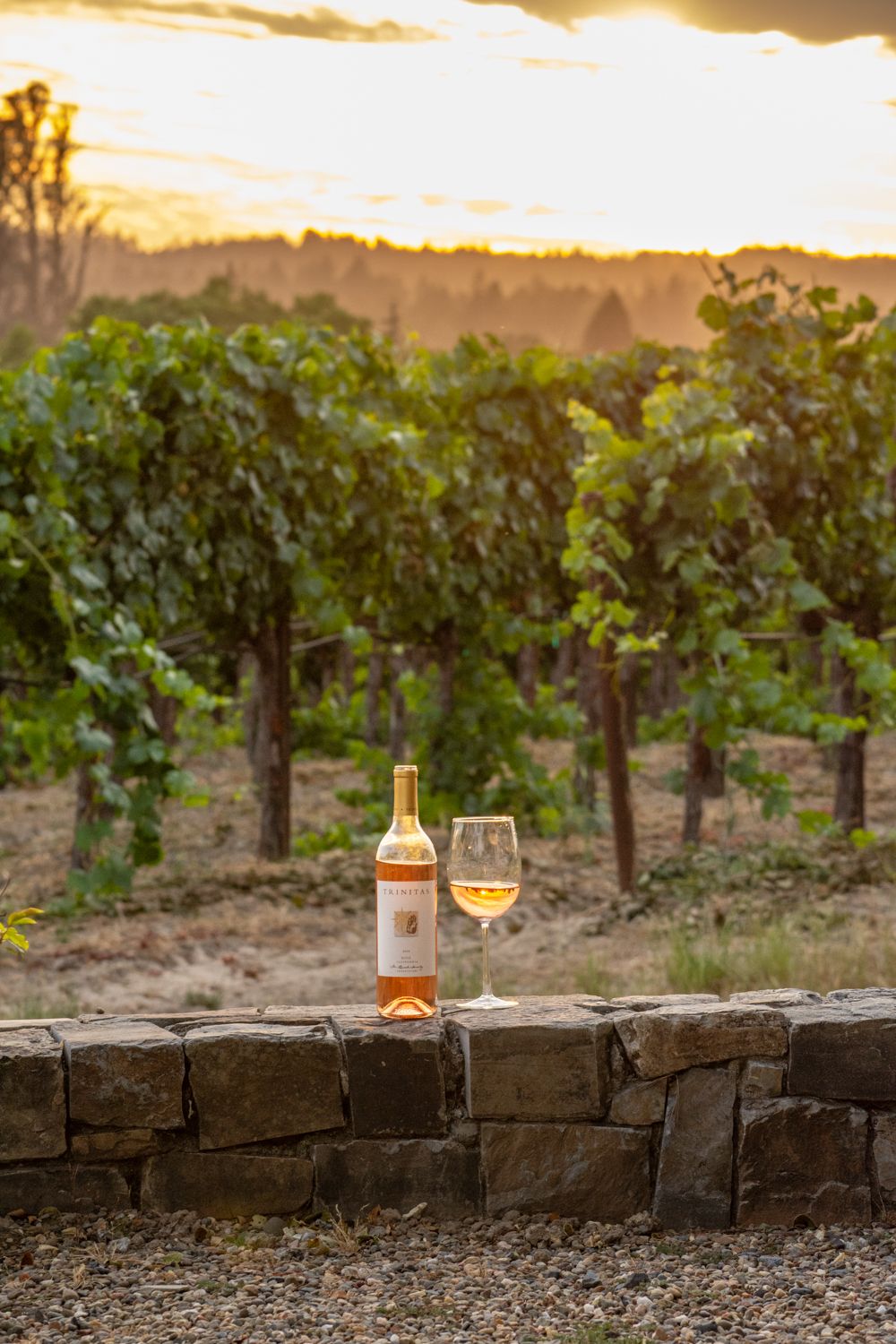
This doesn't mean wineries should abandon lifestyle marketing altogether.
Lifestyle remains an important part of wine brand marketing.
The difference is that consumers now expect more authenticity and specificity.
Instead of posting a generic image with the caption "Rosé season is here," consider showing how your customers actually enjoy the wine.
- Feature a local chef pairing it with seasonal dishes.
- Highlight a customer tradition.
- Share a team member's favorite food pairing.
- Document a vineyard picnic.
Show real moments rather than manufactured ones.
The goal isn't to create a perfect lifestyle. It's to create a recognizable one.
Educational Content
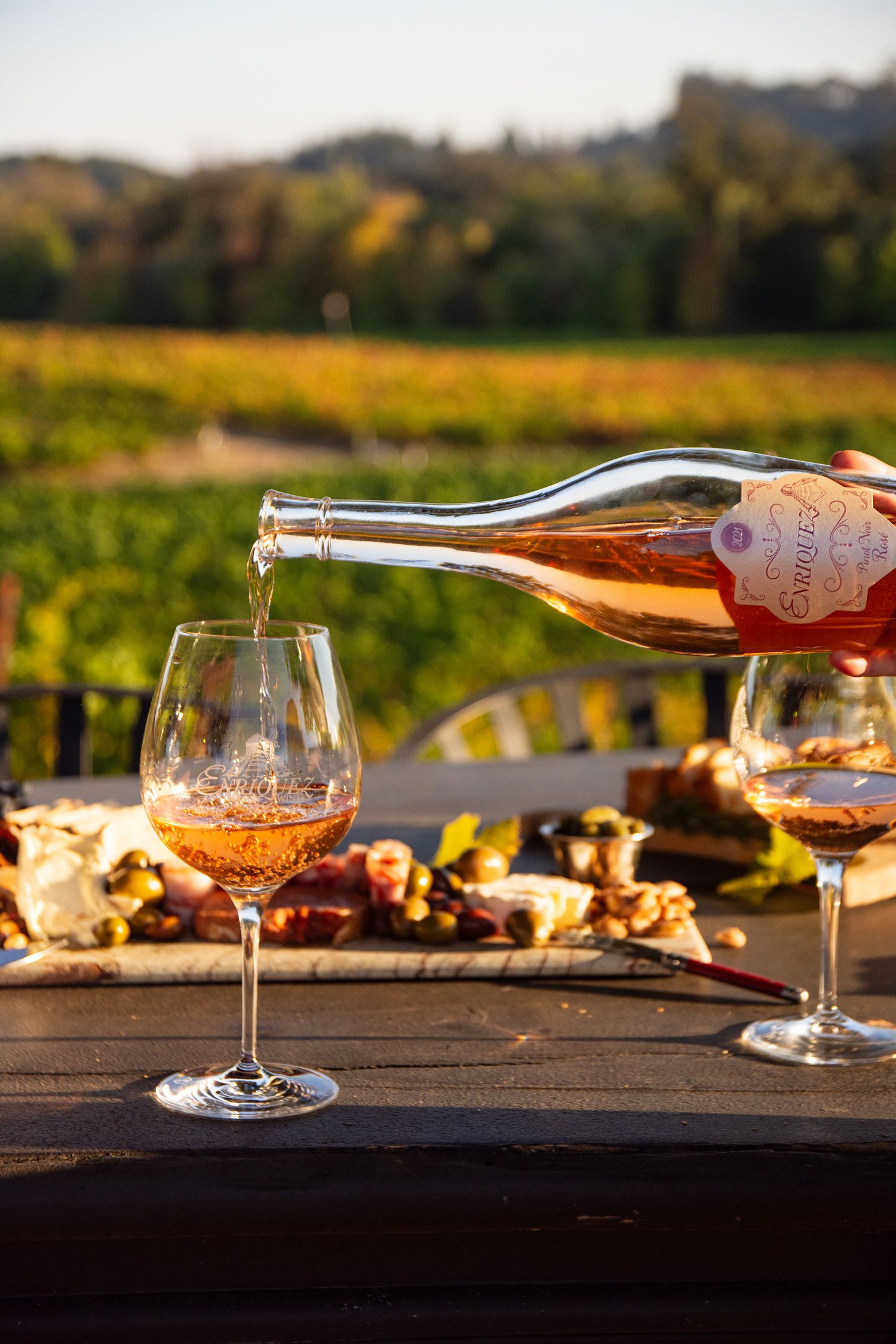
Consumers continue to engage with content that teaches them something new.
Topics might include:
- How rosé is made
- Differences between rosé styles
- Vineyard and vintage influences
- Food pairing recommendations
- Wine service tips
Educational content positions your winery as a trusted resource rather than simply another brand trying to sell a product.
Founder and Winemaker Stories
People connect with people.
Sharing the perspectives, personalities, and experiences behind the winery creates a level of trust that product-focused marketing rarely achieves.
Behind-the-Scenes Content
- Harvest footage.
- Cellar work.
- Blending sessions.
- Bottling days.
Consumers love seeing what happens beyond the tasting room.
What Is Working in Wine Social Media Marketing Right Now?
Across the wine industry, several content trends are consistently outperforming traditional promotional posts.
Customer-Centered Stories
Your customers often tell your story better than you can.
Featuring genuine experiences helps create social proof while building community around the brand.
The Future of Rosé Marketing Is Brand Personality
The wineries gaining traction today aren't necessarily posting more content.
They're posting more recognizable content.
Their audience knows who they are.
Their voice feels consistent.
Their perspective feels authentic.
Most importantly, their content couldn't be mistaken for another winery's.
That's where the future of winery digital marketing is headed.
Not toward bigger content calendars.
Not toward more polished photoshoots.
But toward stronger brand identity.
Because consumers don't remember another poolside rosé photo.
They remember the winery that gave them a reason to care.
And in a crowded wine market, that's what drives attention, engagement, and long-term loyalty.